RF Microneedling vs. Traditional Microneedling: Which Is Right for You?
Understand the key differences between radiofrequency microneedling and standard collagen induction therapy, and discover which treatment best addresses laxity, acne scars, and texture.
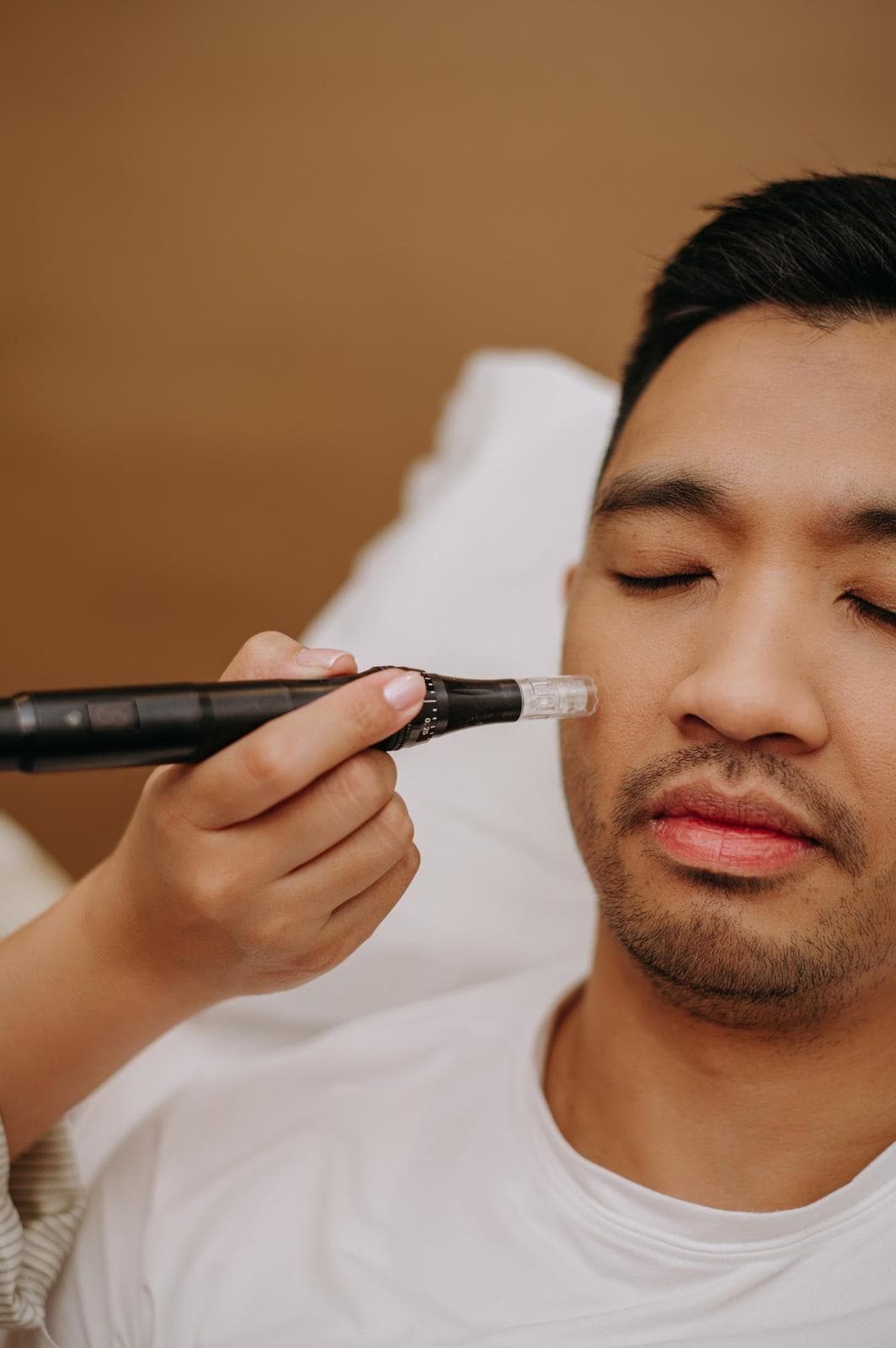
When considering non-surgical skin rejuvenation, microneedling remains one of the most effective, research-backed therapies available. However, patients often ask us whether traditional collagen induction therapy or advanced Radiofrequency (RF) Microneedling is the optimal choice for their concerns.
Both treatments trigger your skin's natural healing cascade, but the depth of action and thermal mechanisms differ significantly.
How Traditional Microneedling Works
Traditional mechanical microneedling uses ultra-fine, medical-grade needles to create controlled micro-injuries in the epidermis and superficial dermis. This controlled micro-trauma prompts fibroblasts to synthesize new collagen and elastin fibers.
- Ideal for mild acne scarring and superficial texture
- Noticeably refines enlarged pore size and uneven tone
- Requires minimal downtime (typically 24 to 48 hours of mild pinkness)
- Exceptional safety profile across diverse skin phototypes
By stimulating natural cellular regeneration without heat, traditional microneedling remains a gold-standard baseline treatment for overall skin vitality.
The Added Dimension of Radiofrequency Energy
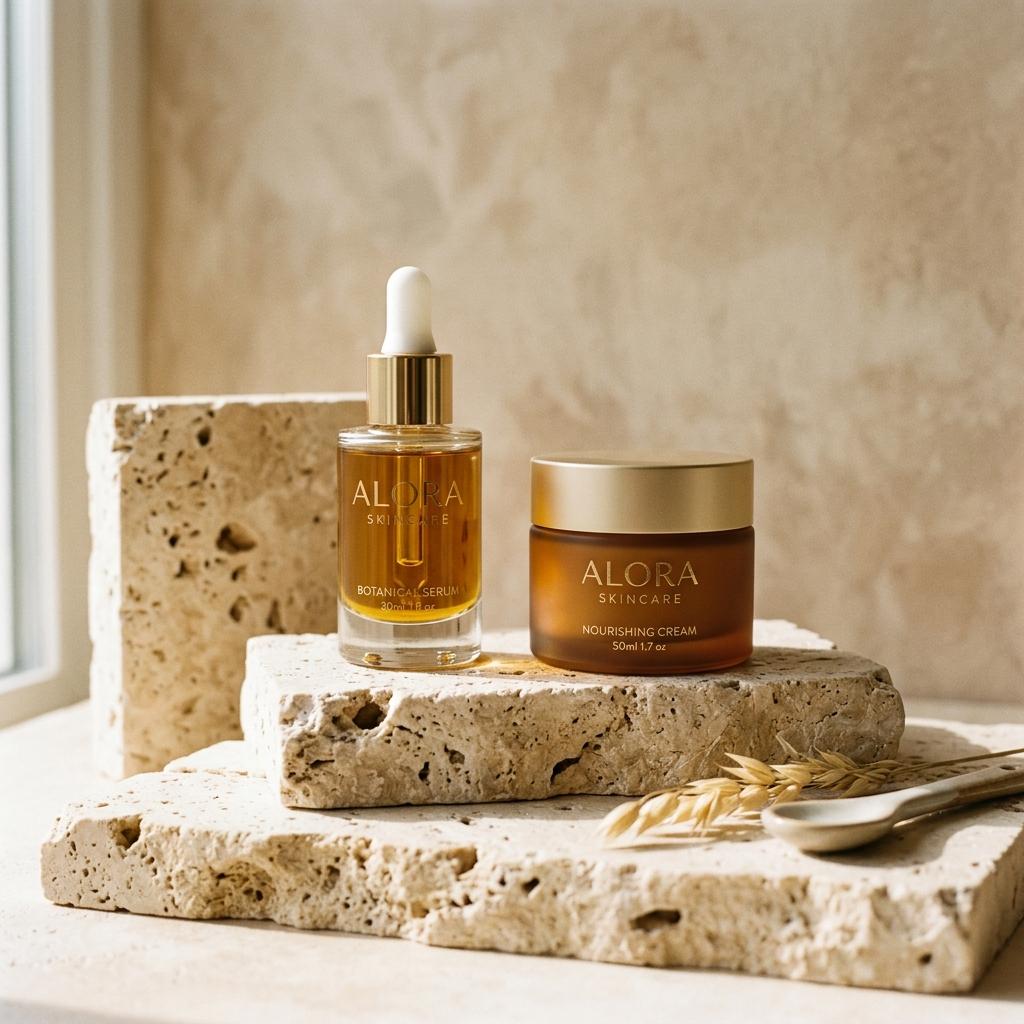
RF Microneedling builds upon traditional mechanical stimulation by delivering focused bipolar radiofrequency thermal energy directly into the deep reticular dermis through the needle tips.
When thermal energy reaches 55°C to 65°C within the dermal tissue, it causes immediate contraction of collagen fibers while kickstarting long-term structural remodeling.
Comparing Key Benefits
- Skin Laxity & Tightening: RF Microneedling provides superior contraction and firming along the jawline, neck, and lower face.
- Deep Acne Scars: Boxcar and rolling scars respond dramatically better to RF heat because deep fibrous tethering is released and remodeled.
- Downtime Comparison: Both treatments involve minimal social downtime. RF Microneedling typically presents with 48 to 72 hours of mild pinkness and tiny micro-crusting.
Which Treatment Should You Choose?
If your primary objective is superficial texture smoothing, pore refinement, and preventative aging in your 20s or early 30s, traditional microneedling provides tremendous results.
If you are dealing with deeper acne scars, skin laxity, or want pronounced dermal tightening, RF Microneedling delivers deeper structural remodeling with longer-lasting structural support.

Kate Uy Cruz
Founder & Medical Aesthetician • Registered Philippines Nurse • 15+ Years Clinical Experience
Kate is dedicated to scientific integrity, patient safety, and empowering clients with transparent education regarding advanced skin therapies, lasers, and regenerative aesthetics.
Ready to Transform Your Skin Journey?
Book a tailored 30-minute digital skin analysis at our boutique Toronto clinic. We will assess your skin structure and design a custom treatment roadmap.
More Clinical Guides
View all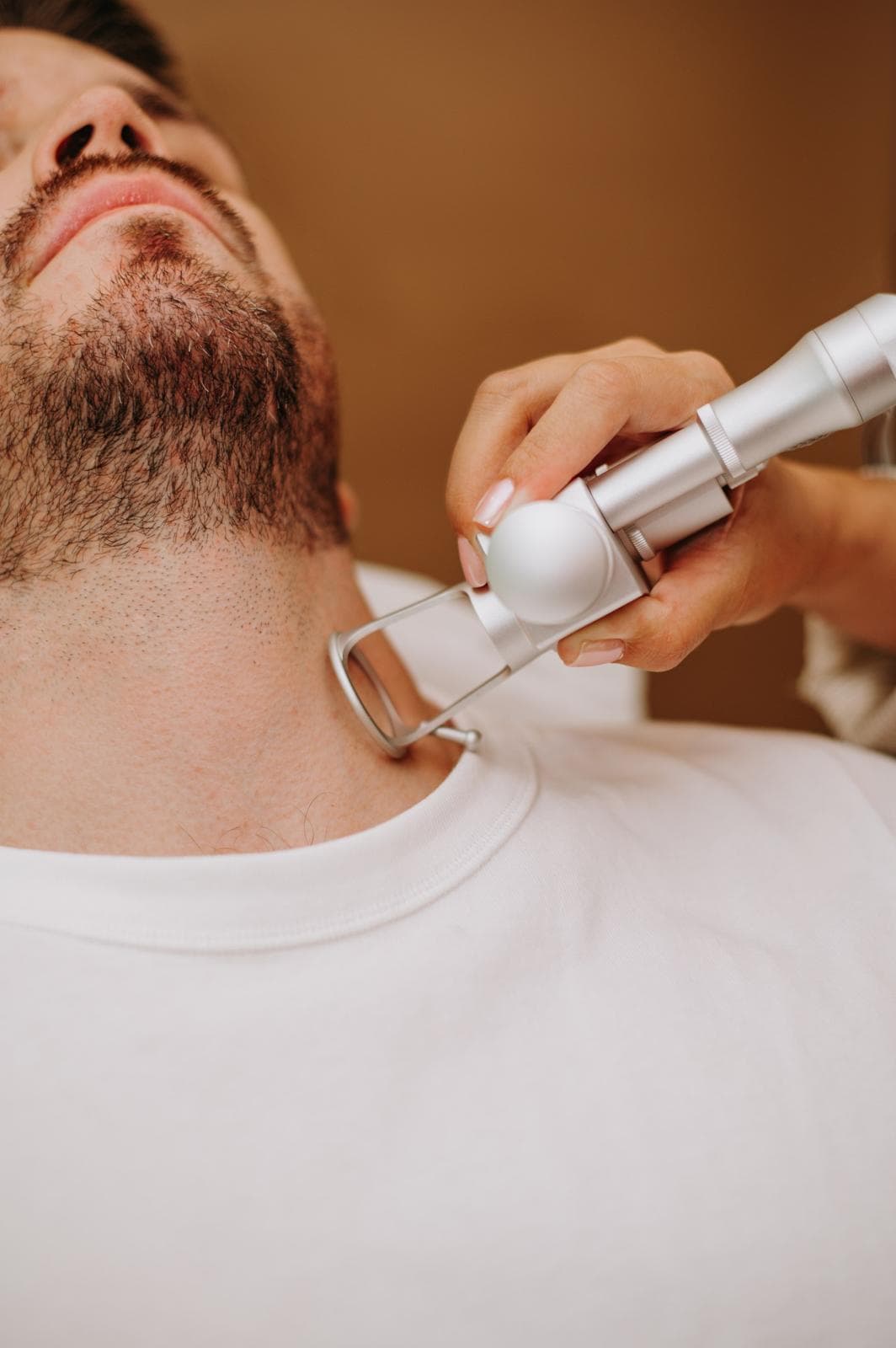
CO2 Fractional Laser: The Complete Preparation and Recovery Guide
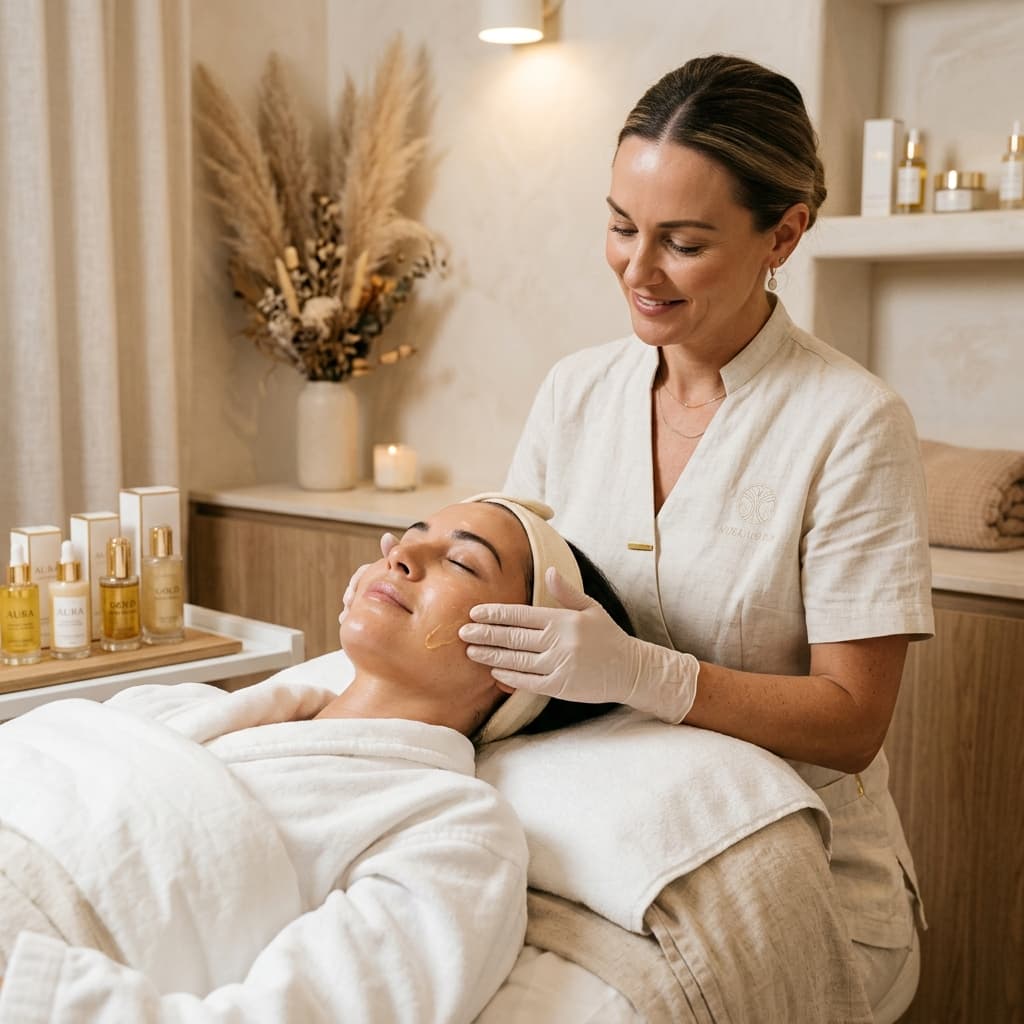
Why HydraGLOW Is the Ultimate Red-Carpet Pre-Event Facial